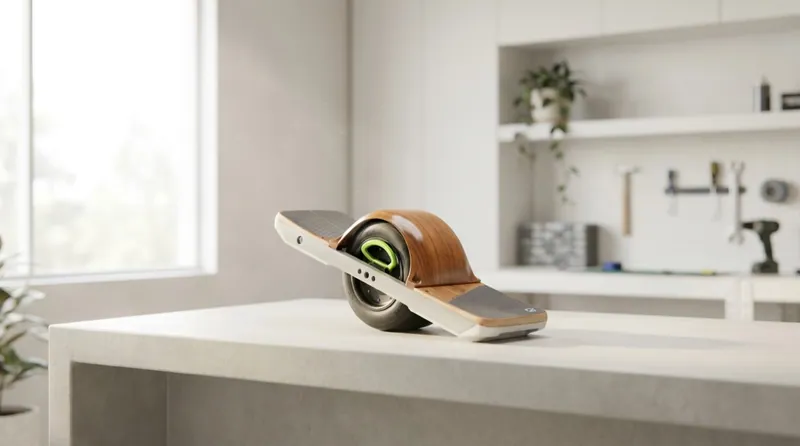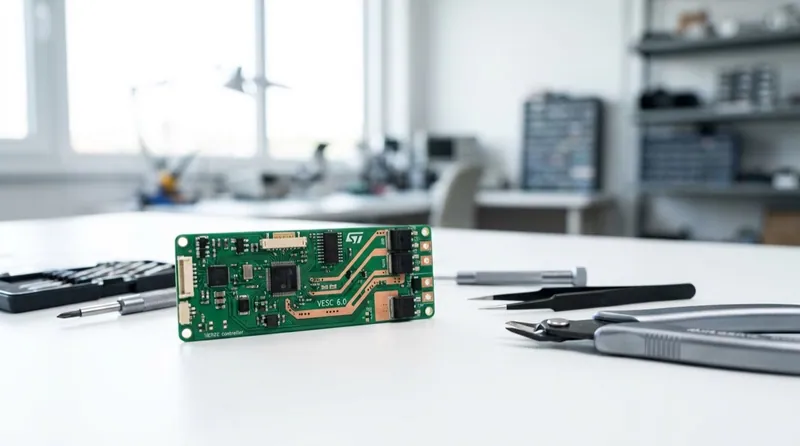
An electronic speed controller sits between a battery and motor and manages how electrical power becomes motion and braking. VESC is Benjamin Vedder's trademarked motor-control product ecosystem, including controller products, firmware, and VESC Tool configuration software.
Open source and trademark are different questions
VESC software and reference material are published under specific licenses. The VESC name remains a protected trademark. A controller can be compatible with VESC Tool or derived from published material without being a VESC product or being made, tested, supported, or endorsed by Vedder.
Use the exact maker and model name when describing hardware. Read the license and trademark terms that apply to the software, design, and branding rather than treating "open source" as one blanket permission.
Compare the exact controller
A controller handles substantial current in a moving vehicle. Confirm its maker, model, voltage and current ratings, sensor support, compatible firmware, thermal design, test documentation, warranty, and support path. Price alone does not establish quality, a trademark alone does not establish suitability, and compatibility wording does not establish endorsement.
Setup is system-specific
The correct configuration depends on the motor, battery, battery-management system, sensors, controller hardware, gearing or wheel geometry, thermal limits, and vehicle behavior. A setting copied from another build can over-stress a component or cause unexpected propulsion or braking behavior.
This guide does not provide tuning values or a flashing procedure. Use the documentation for every exact component and a qualified builder who can validate the complete system, save the final configuration, and perform the required stationary and controlled release checks.
Questions to ask a builder
- Who made each controller, battery, motor, and sensor component?
- Which documentation and firmware versions apply to this exact build?
- How were current, voltage, temperature, input, and fault limits established?
- What configuration record and post-build test record will you receive?
- Who supports the hardware and workmanship if a fault appears later?
VESC-based systems can support repairable and highly configurable builds. That flexibility also makes accurate identification, documentation, and qualified setup essential.
Frequently asked questions
Is every VESC-compatible controller a VESC product?
No. Compatibility with VESC Tool or published designs does not mean a product was made, tested, supported, or endorsed by Benjamin Vedder. Identify the actual maker and model.
Can I copy settings from another build?
Do not assume so. Settings depend on the exact motor, battery, sensors, controller hardware, geometry, firmware, and thermal limits. Use the complete component documentation and qualified system validation.
How should I compare controllers?
Compare the exact maker, model, ratings, thermal design, firmware compatibility, test documentation, warranty, and support. Price, trademark, and compatibility wording each answer different questions.
What should a builder document?
Ask for component identities, firmware versions, the saved final configuration, how the safety limits were established, the release checks performed, and the support path.